Resilience, patriotism, strong work ethic, and ability to work together. Those are said to be the characteristics of The Greatest Generation. We could use a lot more of that these days.
My uncle – Reynaldo Lebron – was one of them.
*****
I’m a night owl. You will find me up reading, or writing, or listening to some music, or just staring out the small round window in our attic, watching the lights of ships going up and down the Hudson until 2:00 in the morning. And then I get in about 6 hours of sleep. But on this Thursday morning, April 9, I’m climbing out of bed, not at 8:00 AM, but at 6:00. Staggering out was more like it. Only 4 hours. Not as easy to do as it was 40 years ago.
I brew some coffee. I take a — cold — shower. Brush my teeth. Comb what’s left of my hair, which, to be honest, has yet to thin or grey significantly in spite of my 71 years so I shouldn’t whine. I threw on my best black outfit: t-shirt, jeans, an Italian sports jacket. The coffee was ready. I put the bowl of food out for the dog and drink my coffee as I wait for her to finish, and then take her for her morning poop. On her creaky 16-year-old legs, the poop crouch takes a little longer. Once back in, I fill a tall 20oz thermos with more coffee and jump in the car.
8:00 AM. I take off on the 5-hour-10-minute drive for a 25-minute event at Arlington National Cemetery.
Today, six years and three months after his passing, my uncle is finally being laid to rest, at 2:00 PM.
I’d built in 45 minutes of wiggle room. Construction zones ate up most of it. By 12:30 I’m in DC traffic. There is one more construction zone ahead. By 1:30 I’m at the cemetery gates, running on coffee and anxiety. A soldier waves me through to a parking lot. There are four rows. Each has an electronic sign with a number and a name, and there at the front was the one I was looking for: “1 — Reynaldo and M Lebron”.
Have you ever been to Arlington? I hadn’t. And I have to say: it hits you the moment you step out of the car. Rows and rows and rows and rows and rows of markers. I was tearing up and even shaking a little and I hadn’t even found the rest of my family yet. I’m directed towards the visitor center but I spot my cousin Ken — whom I hadn’t seen in decades (the cost of the mobility of modern life in the U.S: relatives scattered across the continent) — and his family approaching. There were a dozen of us. Once together, we are taken to the burial site.
Four rows at the parking lot.
As I said earlier: I didn’t know what to expect. Arlington is a big place. Many have fought and died, many of those come here. I didn’t know what to expect, but I guess I WAS expecting that they would be doing a service for 10. Or 20, or 50 or 100 at a time.
No. Four rows. For four families and friends. Of four servicemen. Every 2 hours. 28 per day. Each, individually, gets the full attention of the U.S. government and its armed forces one last time.
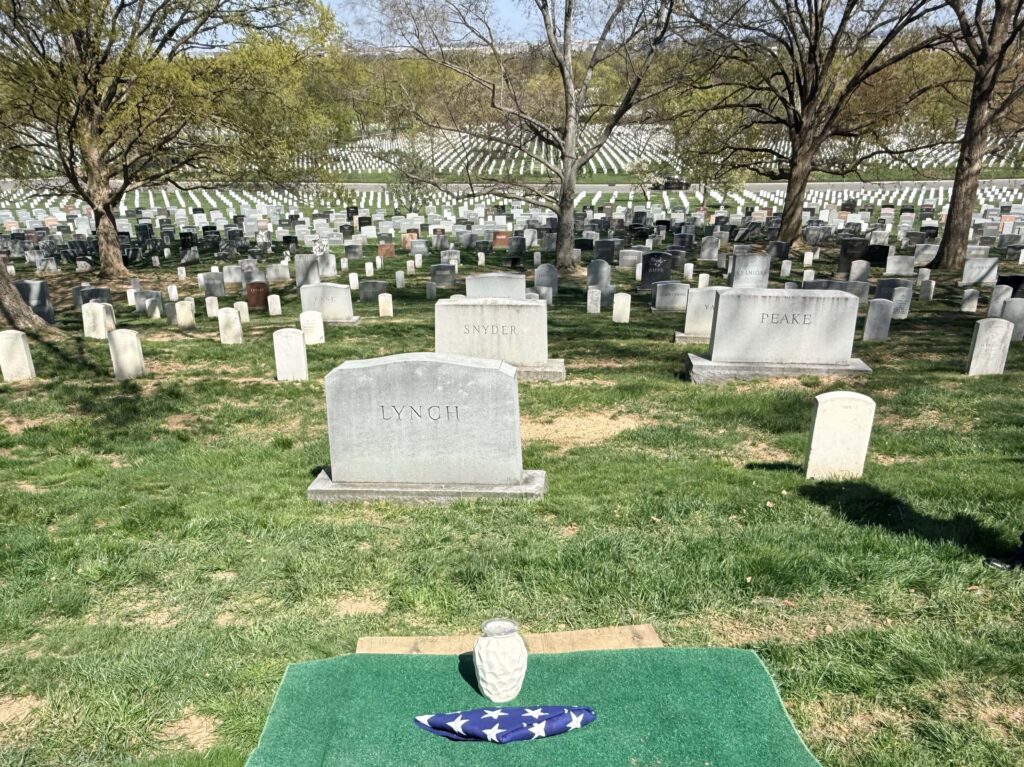
We walk up a short hill, to Section 8: one of the historic areas of the cemetery, where the bulk of World War II veterans rest. Then down a little. Grave 105. I look out. Rey – and his wife Betty – will have a view of the Lincoln Memorial and the Washington Monument. Section 8 is one of the oldest parts of the cemetery — Jimmy Doolittle of the 1942 Tokyo raid lies nearby, as do William and Elizebeth Friedman, the husband-and-wife cryptologists who broke the Japanese Purple code, and Frank Crilley, the Navy diver who earned the Medal of Honor for a rescue at 250 feet. Rey is in that company now.
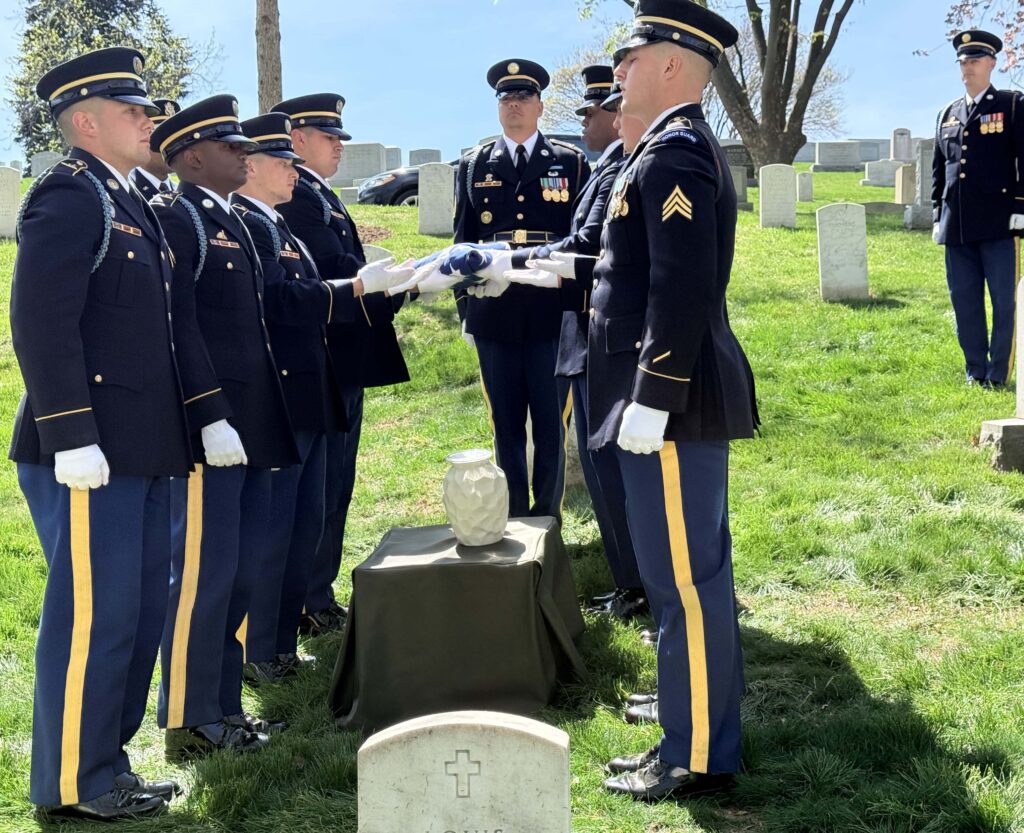
Once in our places, eight cadets, four to either side, march to the urn containing my aunt and uncle’s co-mingled remains, and go through the elaborate flag folding ritual:
The Triangular Shape: The final folded flag is shaped like a tri-cornered hat. This specifically honors the Patriots of the American Revolution and the soldiers who served under General George Washington.
The 12 Folds: While the U.S. Department of Veterans Affairs (VA) officially states that the folds themselves do not have a formal, government-mandated meaning, a widely accepted military tradition assigns a specific symbolic meaning to each of the 12 folds. For example, the first fold symbolizes life, the second represents belief in eternal life, the third honors veterans who gave their lives, and subsequent folds recognize the country, parents, and religious faith.
The Blue Field: When the 12th fold is complete, only the blue field of stars is visible. This represents the national motto, “In God We Trust,” and ensures that the red and white stripes—symbols of blood and sacrifice—are safely protected within
My uncle’s parents – my grandparents – were part of the first wave of the Puerto Rican diaspora that fled the island in the early 1900s after the U.S. seized the colony from Spain. Puerto Rico is today referred to as a “commonwealth”, but this is a mask designed to obscure the island’s continuing colonial status. Puerto Ricans became U.S. citizens in 1917, weeks before the U.S. entered World War I. That is, they became citizens without the full rights of citizenship, which can only come with statehood. What they did get were the costs of citizenship. The main cost being military conscription. Many Puerto Ricans got drafted. Some, like Lolita Lebrón, turned against the United States entirely: ¡Viva Puerto Rico libre! More on that some other day. And others actually volunteered.
My Uncle Rey was one of them. He was 19 when he enlisted. He was proud to be a U.S. citizen. He was also a colonial subject going to Europe to fight for the country that had taken his island.
Then, you could say that Puerto Ricans were both “there, but for here”. Now, with cultural colonization virtually complete, you could also say that they are “here, but for there”. But let’s not quibble.
Rey went to fight the Axis powers that included a regime whose reputation for efficiency was embodied in the infamous saying: “he made the trains run on time”, a saying that was in fact not true. That regime actually had American admirers – liberals as well as conservatives – who looked at Mussolini and saw competence worth borrowing, admirers who installed managerial governing systems based on similar notions in cities across the United States. Including Newburgh, the city I live in.
The chaplain comes forward and reads a brief history of my uncle’s service:
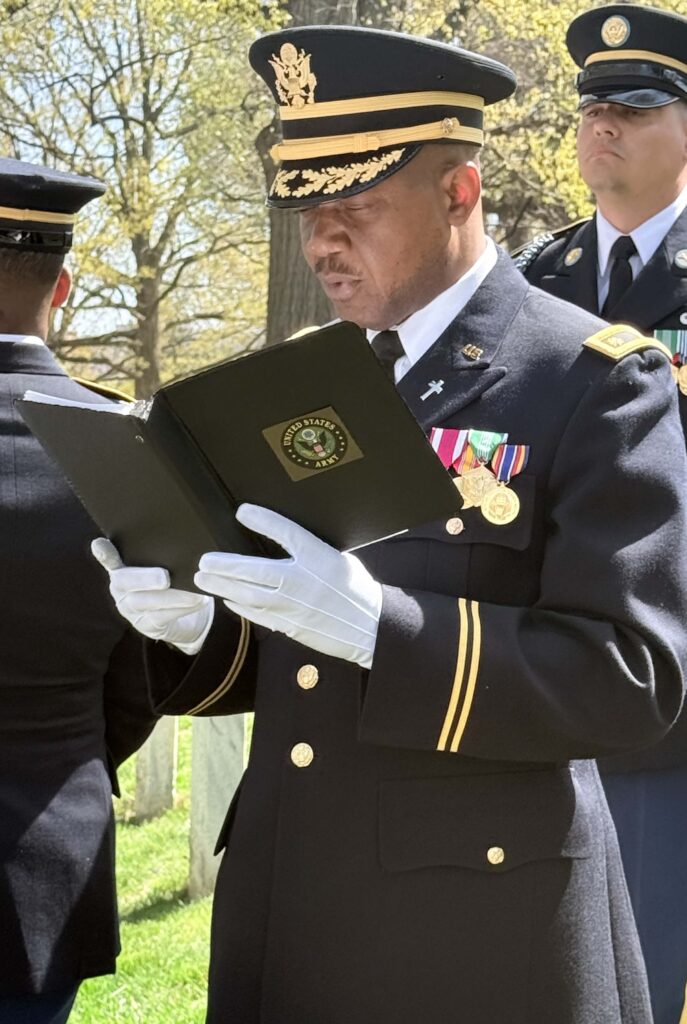
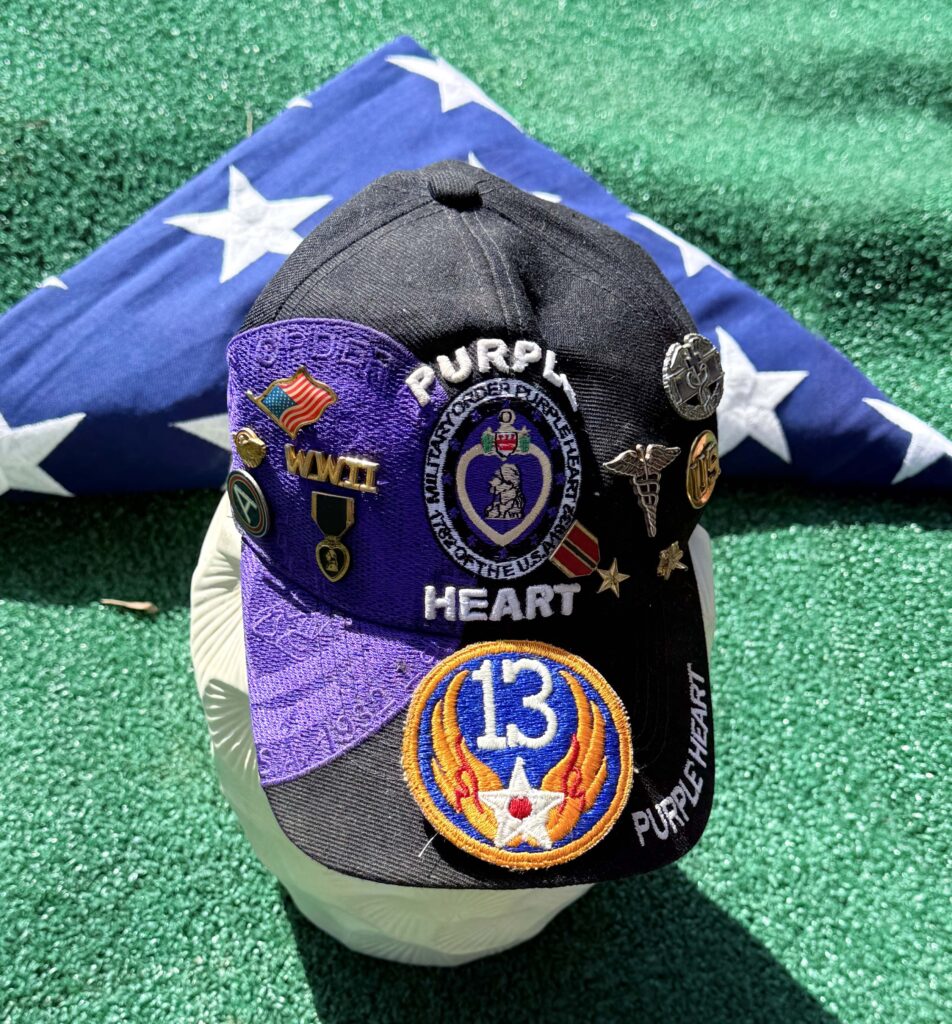
Combat medic. 18 months at the western front. The 26th Infantry Division.
It is winter. 1944. His platoon had moved off the side of the roadway into a forested area in northern France on December 11, 1944. As they moved toward Germany, mortars began raining down on them, killing several soldiers.
While rushing in to administer aid, another shell goes off. He lies on the forest floor. For hours. Unconscious? Semiconscious? Thinking about his parents? His brother – my dad, a year older to the day, who’d been kept out of the war by blindness in his left eye? Wondering if he will be found? When? By whom? Another GI? A Nazi? A Milice?
The Milice. Frenchmen who’d chosen the other side. My uncle, a colonial subject of the United States, bleeding in a French forest where the local threat included French citizens collaborating with the occupier of their own country. Layers on layers of colonial and collaborationist logic, all compressed into a few hours in that forest.
Presumed dead, he gets thrown into a truck with dead bodies. As the doors are about to be closed … some movement. A GI shouts.
“Wait. This one is alive!”
He is carefully placed on a Douglas C-47 Skytrain (the military version of the DC-3 commercial airliner). These twin-engine cargo planes flew supplies into makeshift, bulldozed dirt airfields in France and were quickly reconfigured with litter racks to carry wounded soldiers on the return trip, where he was cared for mid-flight by pioneering USAAF Flight Nurses and enlisted medical technicians. These “Winged Angels” managed blood plasma, bandages, and shock treatment in mid-air, resulting in an incredibly high survival rate for patients during transit. He is flown across the English Channel to a transit or general hospital in England, the primary destination for critically wounded soldiers on the Western Front. For the first of what would be a dozen surgeries, the final ones in an upstate NY Utica hospital.
Back home: the Purple Heart, the Bronze Star, Knight of the French Legion of Honor, the Combat Medic Badge and many other medals and ribbons.
Then the chaplain utters these seven words:
“Reynaldo, you have earned your place here.”
*****
I am wondering what the chaplain is thinking. What he is feeling. Every day, he recites seven valorous stories, followed by those seven words.
Ken tears up.
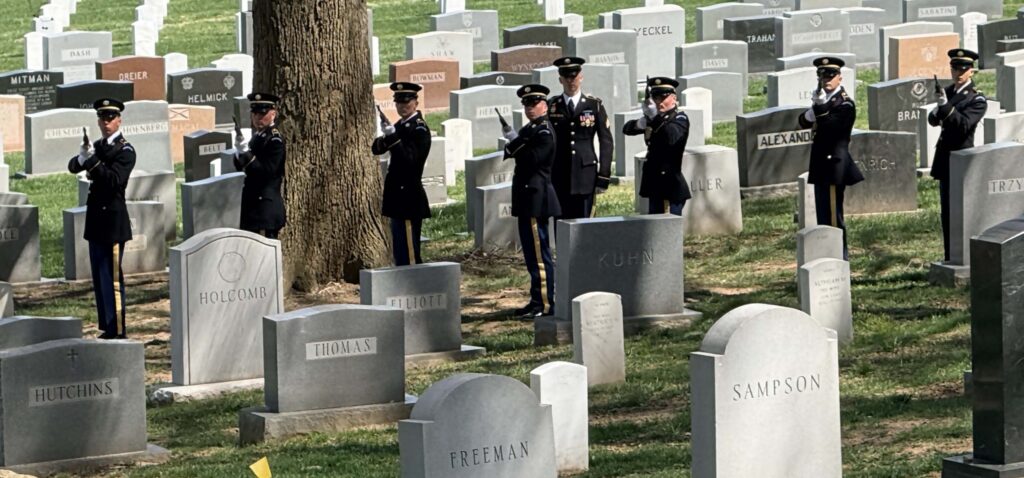
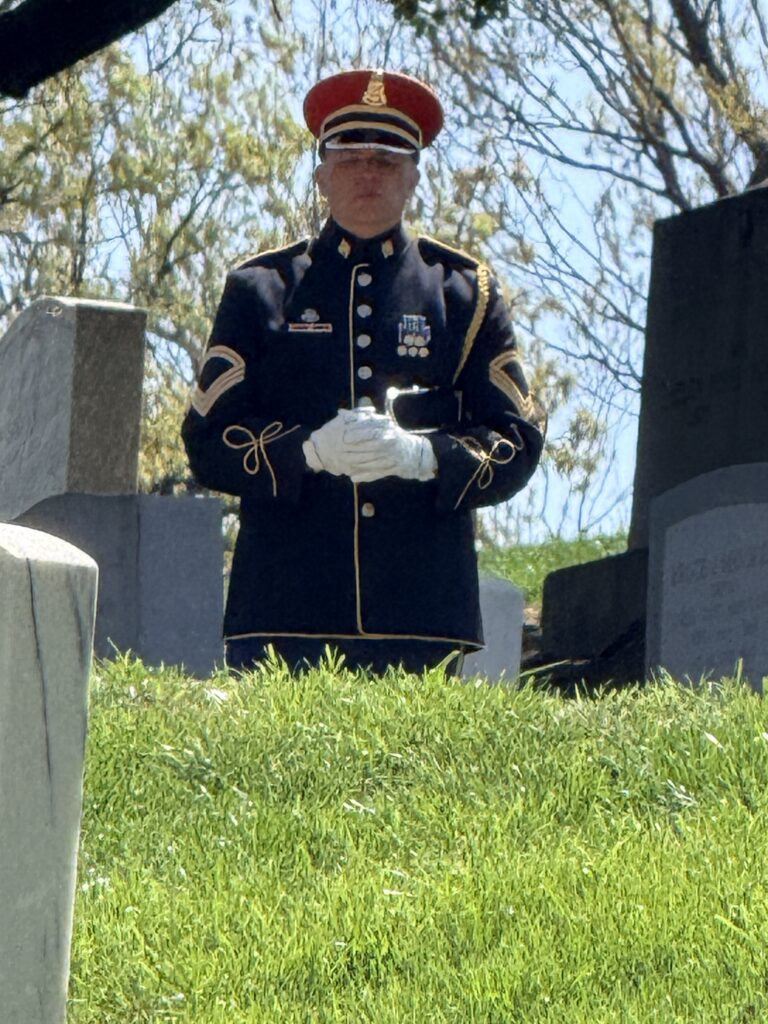
The chaplain follows with prayers. Then the three volley salute — duty, honor, and sacrifice — by seven cadets. The taps.
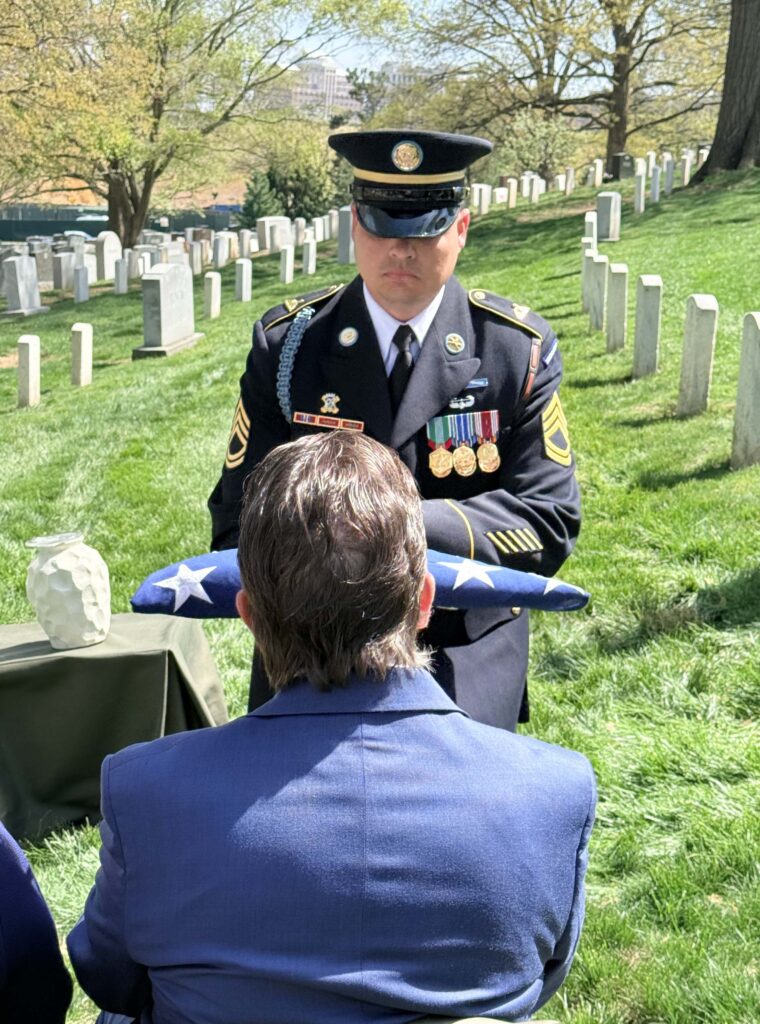
After the flag is folded, it is inspected to ensure no red or white fabric is showing.
An honor guard member then presents the flag into my cousin’s arms. he kneels, looks my cousin in the eye, and recites this formal message of gratitude:
“On behalf of the President of the United States, the United States Army, and a grateful nation, please accept this flag as a token of our appreciation for your loved one’s honorable and faithful service.”
Then, the handing out of the shell casings.
And then, it is over.
*****
I sadly had no time to spend with family. I had to get back … to Tarrytown for a concert, of all things, by the Nitty Gritty Dirt Band. I’d bought the tickets months earlier with a friend, well before the Arlington service had been scheduled. Their 60th anniversary farewell tour. The band whose 1972 sessions with Mother Maybelle Carter, Roy Acuff, and Earl Scruggs was an act of intergenerational preservation in American popular music. A band I grew up with and grew old with. I didn’t want to miss them.
Now I’m rushing back through the same construction zones. With time to think. I am thankful: my uncle passed away before our current president took office. He’d fought what is called a just war, overseas, as a colonized person, against fascism. Today, at home, we are living with a political culture in decline, from the federal level, all the way down to the municipal level that I am documenting. A political culture that his sacrifice demands we reverse.
Like myself, Rey was a graphic designer. He did like to talk politics from time to time. But he NEVER talked about the war. He was mainly a very happy-go-lucky guy: a disposition that most certainly must have helped him get to 94 years of age. Only twice did I see the person underneath. Once, when he joined a fishing group for veterans with PTSD. And once, in 1987.
That April. It was 11:00 PM. I was spending three weeks in Nicaragua’s northern war zone. On the 4th night, a firefight starts between Sandinistas and the contras. I’m staying with a family — the dad had been murdered by contras years earlier, so it’s the mom, a trained vigilancia, her 14-year-old son, her 9- and 7-year-old daughters, a photojournalist, and me. She makes us lie tightly on the floor as she and her son grab their AK-47s and run out. After 30 minutes or so, they come back and rush us to a safe house: a wooden shack with a tin roof, a campesino guarding the entrance with a musket that looked like it was borrowed from a Civil War soldier.
I somehow “knew” I’d see the next day. I knew — naively, arrogantly, imperiously, foolishly … in other words, with the confidence that comes with privilege — that in two and a half weeks I’d be home.
And I did get home, stopping first to visit Rey, and my grandparents who lived next door to him. Rey didn’t mince words: “What the hell did you do that for!”
Well, I did it because as it turned out, the project I was working on in Nicaragua was a deciding factor in defeating a congressional vote for more contra military aid. My own congressperson told me so: that it helped him flip 6 votes. The vote was 219 against, 211 for: without the campaign, 213 against, 216 for. After that vote, contra military aid was no more.
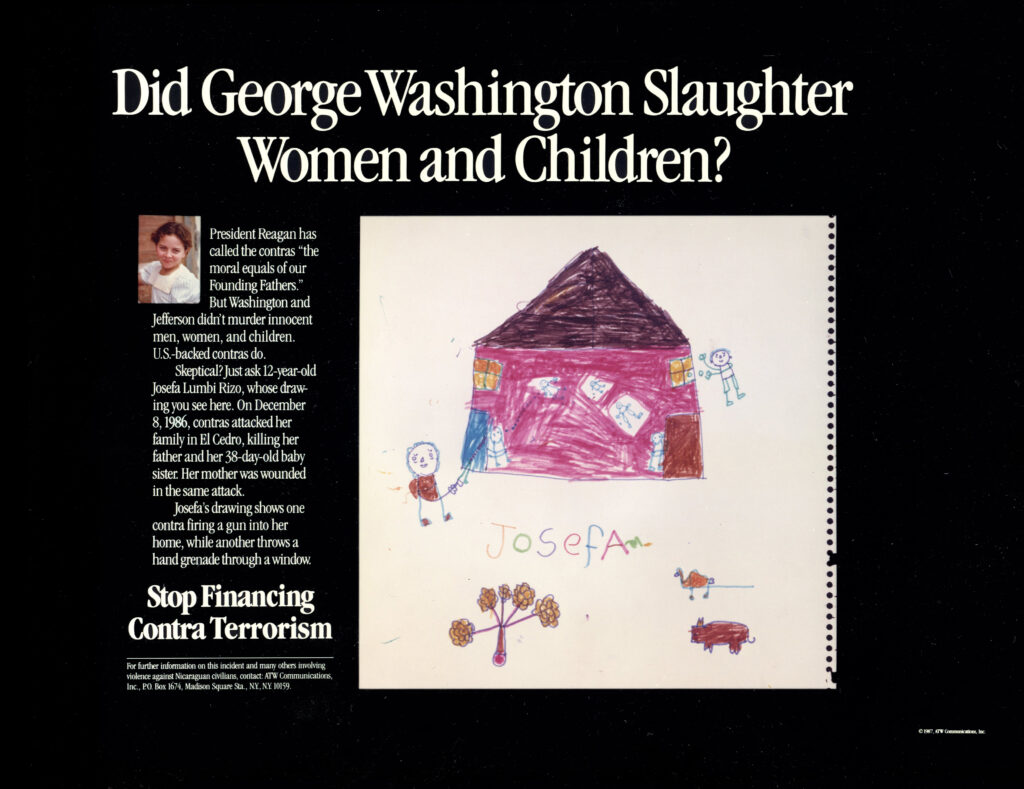
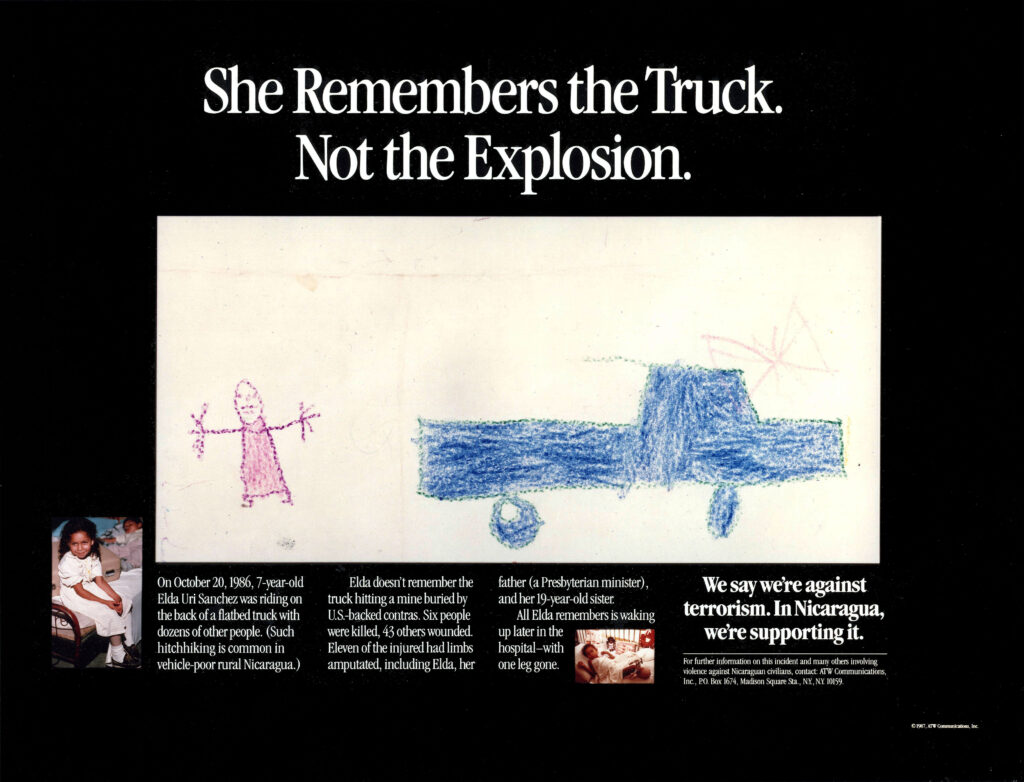
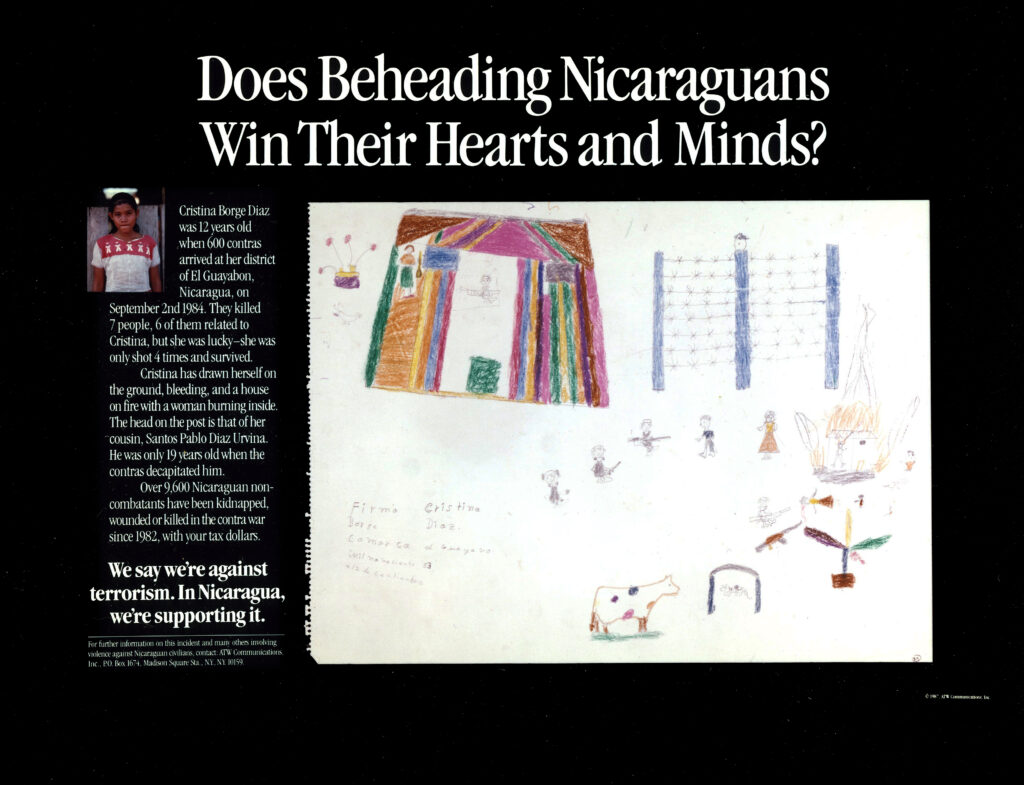
I didn’t know at the time that would be the outcome. That conversation was for later.
Rey had a look. That look. The look of the forest. At that moment, his look made the trip that I had just returned from shake within me.
That was the closest he ever came to telling me about the war.
The concert started at 8:00. I got there at 8:50 — the warm-up act had just finished. The band leader and founder, Jeff Hanna, is 78 years old, with, apparently, no quit in him. Fittingly, the show ended with “Will the Circle Be Unbroken.” https://www.udiscovermusic.com/stories/nitty-gritty-dirt-band-will-the-circle-be-unbroken/
I drove back to Newburgh thinking about Newburgh’s place in the nation’s history, a place often mischaracterized and overlooked. About Newburgh’s current political cycle that circles over some of these same tracks. They need breaking.
But there will be time for that. For what is left of today: my uncle’s memory — Una bendición muy real.
.